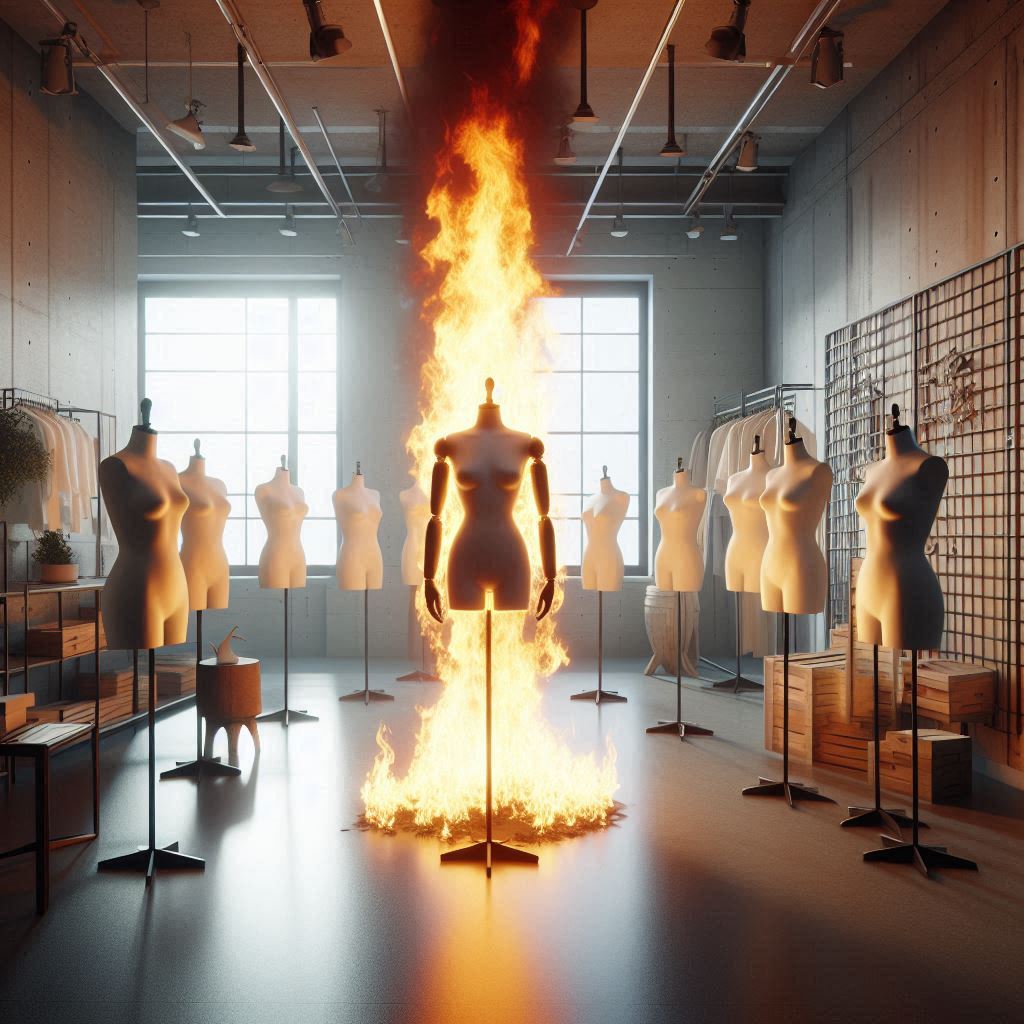
The Enigma of Spontaneous Human Combustion: Theories and Notable Cases
Spontaneous Human Combustion (SHC) refers to the phenomenon where a human body allegedly ignites and burns without an apparent external source of ignition. Reports of such incidents have intrigued and baffled both the public and scientific communities for centuries. This article delves into the theories proposed to explain SHC and highlights some of the most notable cases associated with this phenomenon.
Theories Behind Spontaneous Human Combustion
Several hypotheses have been proposed to explain SHC, ranging from scientific to pseudoscientific. Here are some of the most discussed theories:
- The Wick Effect: This widely accepted explanation suggests that a small external flame source, such as a burning cigarette, ignites the victim’s clothing. The body’s fat then melts and acts as a wick, fueling the fire in a manner similar to a candle. This process can result in the complete incineration of the body over an extended period. Experiments have demonstrated the plausibility of this effect.
- Ketosis and Acetone Buildup: Biologist Brian J. Ford proposed that certain conditions, such as alcoholism or specific diets, can lead to the accumulation of acetone in the body. Acetone is highly flammable, and its presence in significant amounts could theoretically make the body more susceptible to ignition.
- External Ignition Sources: Many scientists argue that alleged SHC cases are misinterpreted incidents where an external ignition source, like a cigarette or candle, was overlooked. Given that the human body is composed mostly of water and its only highly flammable properties are fat tissue and methane gas, the possibility of SHC being an actual phenomenon seems remote.
- Pseudoscientific Hypotheses: Some theories venture into the realm of pseudoscience, proposing explanations like new subatomic particles (“pyrotrons”) or connections to poltergeist activity. However, these lack empirical support and are not widely accepted in the scientific community.
Notable Cases of Alleged Spontaneous Human Combustion
Throughout history, several cases have been cited as possible instances of SHC. Here are a few of the most renowned:
- Mary Reeser (1951): Known as the “Cinder Lady,” 67-year-old Mary Reeser was found burned to death in her Florida home. Her body was almost entirely incinerated, with only one leg remaining. The surrounding room exhibited minimal damage, leading to widespread speculation about SHC. Investigations suggested that she might have fallen asleep while smoking, igniting her flammable nightwear.
- Henry Thomas (1980): A 73-year-old man from South Wales, Henry Thomas was discovered burned to death in his living room. His entire body was incinerated except for his legs below the knee, which remained clothed and unburned. The half-burned chair indicated that the fire had not spread extensively. Forensic experts concluded that the “wick effect” was responsible for his death.
- Michael Faherty (2010): In Ireland, 76-year-old Michael Faherty was found dead in his home, with severe burns but minimal damage to the surroundings. The coroner concluded that his death fit into the category of spontaneous human combustion, a determination that garnered significant attention and debate.
I’m including a really interesting video of the topic:
Can humans really spontaneously combust?
Scientific Consensus
The scientific community remains largely skeptical about the existence of SHC as a genuine phenomenon. Investigations into alleged cases often reveal plausible external sources of ignition or natural explanations, such as the wick effect.
While the idea of spontaneous human combustion captivates the imagination, current scientific understanding attributes such incidents to identifiable external factors rather than spontaneous internal ignition. Ongoing research and forensic analysis continue to shed light on these mysterious and often tragic events.
 ALIEN BLUE BOOK