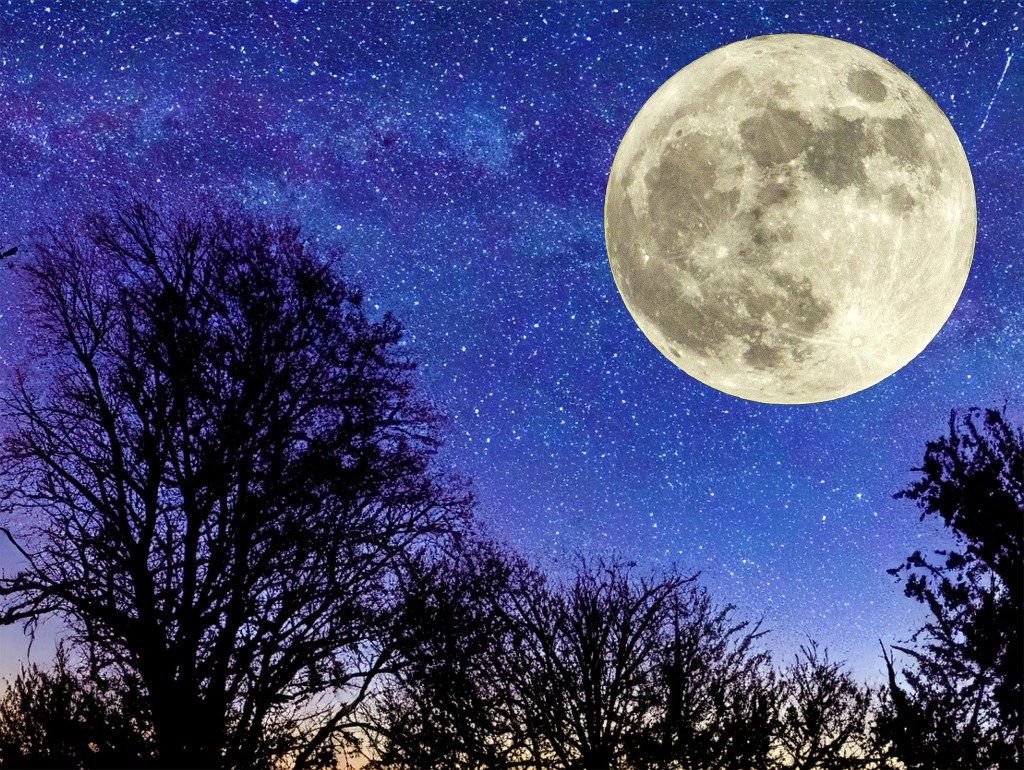
Is the Moon Artificial?
The moon, Earth’s faithful companion, has captivated human imagination for centuries. Its gentle glow and enigmatic presence have inspired countless myths, legends, and scientific inquiries. While the prevailing scientific consensus asserts that the moon is a natural satellite formed from the remnants of a giant impact between Earth and a Mars-sized body, there are alternative theories that challenge this notion. In this blog post, we’ll delve into some of these alternative theories, including the intriguing notion of alien involvement in the moon’s existence.
The Hollow Moon Theory: One of the most popular alternative theories regarding the moon’s origin is the Hollow Moon hypothesis. This theory suggests that the moon is not a solid celestial body but rather a hollow structure with empty spaces within. Proponents of this idea point to anomalies in lunar seismic data, suggesting that seismic waves reverberate through the moon in an unusual manner, indicating hollowness. However, mainstream scientists argue that these anomalies can be attributed to the moon’s unique composition rather than hollowness.
Artificial Moon Theory: Another provocative theory proposes that the moon is not a natural satellite but an artificial construct created by an advanced extraterrestrial civilization. Advocates of this idea speculate that the moon serves as a base or observation post for these alien beings, monitoring Earth’s activities from afar. Proponents cite anomalies in lunar geology and the moon’s precise orbital characteristics as evidence of artificial manipulation. However, the lack of concrete evidence and the sheer complexity of such a feat make this theory highly speculative.
Alien Intervention: Building upon the artificial moon hypothesis, some theorists suggest that aliens played a direct role in placing the moon in its current orbit around Earth. According to this conjecture, advanced extraterrestrial beings intentionally maneuvered the moon into position to influence Earth’s tides, climate, and even the evolution of life. While this idea fuels science fiction narratives and conspiracy theories, it lacks empirical evidence and faces considerable skepticism from the scientific community.
Lunar Anomalies: In addition to alternative theories about the moon’s origin, there are numerous claims of unusual lunar anomalies that defy conventional explanation. These anomalies range from strange lights and structures spotted on the lunar surface to alleged artificial structures captured in photographs taken by lunar missions. While some anomalies can be attributed to photographic artifacts or natural geological formations, others remain unexplained, fueling speculation about hidden truths regarding the moon’s nature.
The mystery of the moon’s origin continues to intrigue and perplex scientists and enthusiasts alike. While the prevailing scientific consensus supports the natural formation of the moon through a giant impact event, alternative theories persist, challenging our understanding of Earth’s celestial companion. Whether it be the hollow moon hypothesis, the notion of an artificial moon, or speculation about alien involvement, these theories provoke thought and inspire further exploration of the enigmatic lunar landscape. As humanity continues to unravel the mysteries of the cosmos, the moon remains a tantalizing subject of scientific inquiry and speculation.
NASA Sightings
These theories about the moon potentially being an artificial satellite are further buoyed by anomalous sightings by NASA astronauts including:
The Apollo 11 Mystery: The Apollo 11 mission, which famously marked humanity’s first steps on the moon, also harbors a lesser-known mystery. During their journey to the lunar surface, the crew of Apollo 11, including Neil Armstrong, Buzz Aldrin, and Michael Collins, reported seeing peculiar lights and objects outside their spacecraft. These sightings were documented in transcripts and audio recordings from the mission, where the astronauts can be heard discussing the unidentified objects. While skeptics attribute these sightings to various factors such as light reflections or equipment malfunctions, the astronauts themselves remain intrigued by what they witnessed.
The Transient Lunar Phenomena: Transient Lunar Phenomena (TLP) refer to short-lived events observed on the moon’s surface, ranging from mysterious lights to color changes and even transient gas emissions. While some TLP can be explained by known lunar phenomena such as meteorite impacts or gas release from underground sources, others defy conventional explanations. Several Apollo mission crews reported observing unusual lights and color changes on the lunar surface, sparking debates among scientists about the nature of these phenomena. Despite extensive study, TLPs remain one of the moon’s enduring mysteries, with astronauts providing valuable firsthand accounts of these enigmatic events.
Unidentified Flying Objects (UFOs) in Space: Beyond sightings on the lunar surface, astronauts have also reported encounters with unidentified flying objects (UFOs) during their journeys to the moon. These sightings include objects exhibiting unconventional flight patterns or appearing suddenly in close proximity to spacecraft. While some UFO sightings have been attributed to known celestial phenomena or space debris, others remain unexplained, prompting speculation about extraterrestrial visitations. Astronauts such as Edgar Mitchell, the sixth person to walk on the moon, have spoken openly about their belief in the existence of extraterrestrial life based on their experiences in space.
 ALIEN BLUE BOOK