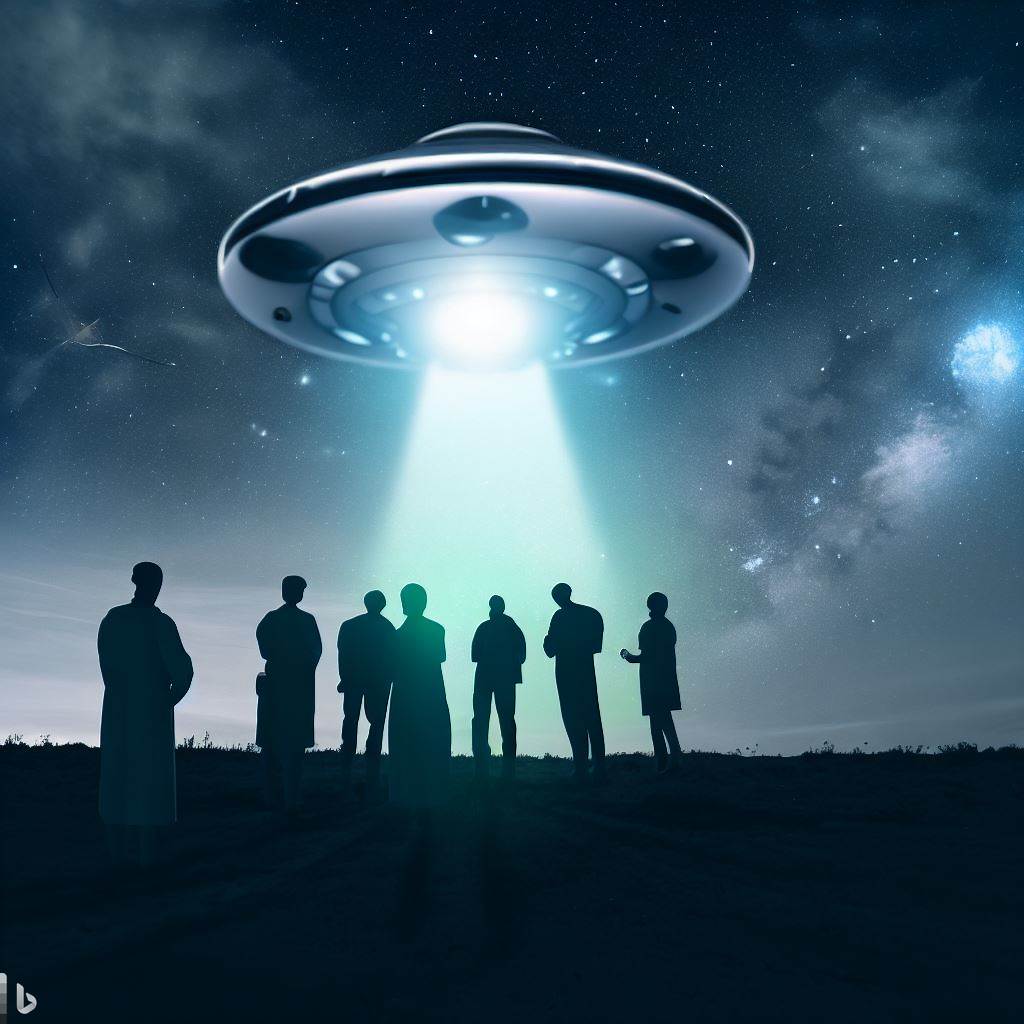
The Most Well-Known UFO Researchers
Dr. J. Allen Hynek (1910–1986) was a prominent American astronomer and professor who became one of the most influential figures in the study of unidentified flying objects (UFOs). Initially skeptical about UFO reports, Hynek’s involvement with the subject evolved over time.
In the 1950s, he was enlisted by the United States Air Force to serve as the scientific consultant for Project Blue Book, a government initiative aimed at investigating UFO sightings. Initially, Hynek’s role was largely dismissive of UFO claims, attributing them to misidentifications of natural phenomena or known aircraft.
However, as he examined more cases, he became increasingly critical of the government’s approach to UFO investigations. He coined the term “swamp gas” to describe a possible explanation for UFO sightings, but he later regretted its usage as it became associated with a tendency to dismiss reports without thorough investigation.
Hynek’s shift in perspective occurred in part due to his recognition of credible witnesses and cases that couldn’t be easily explained away. He introduced a classification system for UFO sightings, categorizing them as “Close Encounters of the First,” “Second,” and “Third Kind,” with the third kind involving sightings of entities associated with UFOs.
As he became more convinced of the importance of studying UFOs, Hynek gradually distanced himself from the official government stance. He founded the Center for UFO Studies (CUFOS) in 1973, an independent organization dedicated to a more scientific and open-minded approach to UFO research.
Throughout his career, Hynek advocated for rigorous investigation of UFO reports and stressed the need for objective, unbiased scientific analysis. His work contributed to greater recognition of the UFO phenomenon as a legitimate subject for scientific inquiry and helped lay the groundwork for a more serious and systematic approach to UFO research.
Overall, J. Allen Hynek’s transition from a skeptical scientist to a respected advocate for serious UFO investigation has left a lasting impact on the field and has shaped the way researchers approach the study of unidentified aerial phenomena.
Stanton T. Friedman (1934-2019) was a prominent and influential ufologist known for his research and advocacy in the field of unidentified flying objects (UFOs) and extraterrestrial visitation. Throughout his career, Friedman played a significant role in bringing attention to the UFO phenomenon and engaging with both the public and scientific community. His work was characterized by a rigorous and scientific approach, often focusing on investigating alleged UFO sightings, government documents, and witness testimonies.
Friedman’s most notable contributions include his research into the Roswell UFO incident of 1947, where he extensively studied witness accounts and government records to argue that the U.S. military had covered up the crash of an extraterrestrial spacecraft. He also highlighted the importance of declassifying government documents related to UFOs, advocating for greater transparency and disclosure.
Friedman was a vocal critic of the skeptics’ explanations for UFO sightings, often engaging in debates and discussions to present his evidence-based arguments. He authored several books on the subject, such as “Crash at Corona” and “Flying Saucers and Science,” where he delved into his research findings and theories about the nature of UFO encounters.
While some of his ideas and conclusions were controversial within the mainstream scientific community, Friedman’s dedication to investigating the UFO phenomenon helped elevate the subject from fringe discussions to more serious consideration. He passed away in 2019, leaving behind a legacy of contributions to the study of UFOs and the exploration of potential extraterrestrial contact.
Leslie Kean is an American investigative journalist and author renowned for her rigorous and serious exploration of UFOs (Unidentified Flying Objects) and their potential implications. Her work is characterized by its emphasis on credible sources, scientific scrutiny, and the pursuit of verifiable evidence.
Kean gained significant recognition through her book “UFOs: Generals, Pilots, and Government Officials Go on the Record,” published in 2010. The book compiles firsthand accounts and testimonies from military and government personnel, pilots, and other authoritative figures who have experienced or observed UFO incidents. Kean’s aim is to bring attention to the credible witnesses and data within the UFO field, encouraging a more open and objective discussion of the topic. Additionally she investigated the Hudson Valley Wave of the 1980’s.
Unlike some UFO researchers, Kean prioritizes evidence-based research and strives to distinguish her work from sensationalism. She has advocated for a serious scientific investigation of UFOs and for transparency from governments in releasing relevant information. Through her writings and media appearances, Kean has contributed to shifting the conversation around UFOs from the fringes to a more mainstream and intellectually rigorous context. Her approach has helped foster a more thoughtful and informed discourse about the UFO phenomenon and its potential implications for our understanding of the universe.
Jacques Vallée is a French-American computer scientist, astronomer, and ufologist known for his extensive and influential work in the field of UFO research. His work has focused on examining UFO phenomena through a multidisciplinary and scientific lens, combining his background in computer science and astronomy with a deep interest in the cultural, psychological, and societal implications of UFO encounters.
Valée’s research challenges conventional explanations for UFO sightings, suggesting that they might not be solely physical spacecraft from other planets, but rather manifestations of a complex and elusive phenomenon that intersects with human consciousness, folklore, and myth. He has proposed that UFOs could be part of a larger phenomenon that transcends our traditional understanding of reality, possibly linked to consciousness and interdimensional experiences.
One of Valée’s most notable works is his book “Passport to Magonia,” published in 1969, where he draws parallels between historical accounts of encounters with fairies, spirits, and other supernatural entities, and modern UFO sightings. He suggests that these phenomena share common characteristics and patterns, and that throughout history, humans have interpreted similar experiences through the lens of their cultural and belief systems.
Valée’s approach has influenced subsequent generations of UFO researchers, encouraging a more nuanced and interdisciplinary approach to studying UFO phenomena. He has also been critical of the mainstream scientific community’s tendency to dismiss UFO reports without proper investigation, advocating for a more open-minded and rigorous examination of the phenomenon.
In summary, Jacques Vallée’s UFO-related work goes beyond the traditional extraterrestrial hypothesis and explores the possibility that UFOs are a multifaceted phenomenon that intersects with various aspects of human experience, including culture, psychology, and consciousness. His contributions have led to a deeper understanding of the complex nature of UFO encounters and their potential implications for our understanding of reality.
Linda Moulton Howe is a prominent investigative journalist and researcher known for her extensive work in the field of UFOs (Unidentified Flying Objects) and related phenomena. Her work primarily focuses on exploring and uncovering evidence of extraterrestrial activity, government secrecy, and unexplained phenomena.
Throughout her career, Howe has conducted in-depth interviews with witnesses, researchers, and government officials to gather information on UFO sightings, crop circles, animal mutilations, and alleged government cover-ups. She gained significant recognition for her documentary “A Strange Harvest,” which delved into the mysterious phenomenon of animal mutilations and their potential connections to UFO activity.
Linda Moulton Howe has been a frequent guest on various radio shows, podcasts, and television programs, sharing her research findings and insights with a wide audience. Her investigative approach often combines scientific analysis and personal testimonies to shed light on the enigmatic world of UFOs and other unexplained occurrences. Howe’s work has contributed to the ongoing discourse surrounding UFOs and has sparked discussions about the possibility of extraterrestrial contact and government secrecy.
Richard Dolan is a prominent researcher and author known for his work on UFOs (Unidentified Flying Objects) and related phenomena. He has dedicated much of his career to investigating and analyzing historical and contemporary accounts of UFO sightings, government secrecy, and potential extraterrestrial contact. Dolan is recognized for his meticulous research, in-depth analysis, and well-documented writings on the subject. His notable works include books like “UFOs and the National Security State,” where he delves into the history of UFO encounters and government responses, and “UFOs for the 21st Century Mind,” which offers a comprehensive overview of UFO phenomena and their implications. Dolan’s contributions have helped shape public understanding and discourse surrounding UFOs, government cover-ups, and the possibility of contact with intelligent extraterrestrial civilizations.Leslie Kean
John E. Mack (1929-2004) was a prominent Harvard psychiatrist and researcher known for his controversial work in the field of UFO abduction experiences. He approached the subject from a psychological and empathetic perspective, aiming to understand the individuals who claimed to have been abducted by extraterrestrial beings. Mack conducted in-depth interviews with alleged abductees and sought to explore the psychological, emotional, and existential impacts of their experiences. His work often challenged conventional scientific paradigms and sparked debates within the academic community.
Mack’s most well-known book, “Abduction: Human Encounters with Aliens,” published in 1994, presented a collection of abduction accounts and examined the transformative effects these experiences had on the individuals involved. He believed that these encounters had profound implications for our understanding of consciousness, reality, and the nature of human perception. Mack faced skepticism and criticism from fellow academics for his open-minded and unconventional approach to the topic, but he remained dedicated to providing a compassionate and nonjudgmental platform for abductees to share their stories. His work contributed to broader discussions about the nature of reality, the human psyche, and the potential intersection of extraterrestrial encounters with human consciousness.
Timothy Good is a British author and researcher known for his work in the field of UFOs (Unidentified Flying Objects) and extraterrestrial phenomena. He has written several books that explore the topic, examining alleged government cover-ups, encounters, and evidence related to UFOs and their potential implications for humanity. Good’s research often focuses on government documents, declassified files, and testimonies from military and intelligence personnel who claim to have had experiences with UFOs or knowledge of their existence. His work has contributed to discussions about the possibility of extraterrestrial life, advanced technologies, and the secrecy surrounding UFO-related information. While his research and writings have garnered both support and skepticism, Good remains an influential figure in the UFO community for his dedication to investigating and sharing information about this enigmatic subject.George Knapp
Nick Pope is a British author, journalist, and former government official known for his involvement in investigating UFOs (Unidentified Flying Objects) for the British Ministry of Defence (MoD). During his time at the MoD, Pope was responsible for examining and researching reports of UFO sightings and encounters. He became the face of the British government’s UFO investigations and was often referred to as the “UFO Desk Officer.” Additionally, he’s talked extensively and written about the Encounter in Rendlesham Forest.
Pope’s work involves analyzing and commenting on UFO cases, discussing the potential implications of unidentified aerial phenomena, and advocating for greater transparency from governments regarding UFO-related information. He has written several books on the subject, sharing insights from his time at the MoD and his views on the nature of UFO sightings.
His approach to the topic is generally grounded in a skeptical and analytical perspective, emphasizing the need for scientific investigation and a careful consideration of all possible explanations for UFO reports. Over the years, Pope has become a well-known figure in the UFO research community and has contributed to public discussions about the possibility of extraterrestrial visitation and the broader implications of the UFO phenomenon.
Bud Hopkins (1931-2011) was a prominent American artist, author, and researcher known for his significant contributions to the field of UFO studies, particularly in the realm of alleged alien abductions. Hopkins gained recognition for his investigation and documentation of purported abduction experiences, where individuals claimed to have been taken by extraterrestrial beings against their will.
In the 1980s and 1990s, Hopkins emerged as a key figure in the study of alien abduction phenomena. He conducted numerous interviews with alleged abductees, gathering detailed accounts of their encounters, which often involved reports of medical examinations, implantations, and psychological manipulation. His work aimed to bring attention to these experiences and provide a platform for those who felt marginalized or dismissed by mainstream society.
Hopkins’ research extended into various forms of media, including books like “Missing Time” (1981), “Intruders” (1987), and “Witnessed” (1996), which explored abduction accounts and the psychological impact on those who claimed to have been abducted. He also organized support groups for abductees, fostering a sense of community among those who shared similar experiences.
While Hopkins’ work garnered both praise and criticism, he played a significant role in bringing the subject of alien abduction into public consciousness and stimulating discussions about the possible existence of extraterrestrial contact. His legacy continues to influence UFO researchers, abduction studies, and the broader conversation about the unknown in the realm of UFO phenomena.
Whitley Strieber is an American author known for his influential contributions to the field of UFO-related literature. Born in 1945, Strieber gained widespread recognition with his personal accounts of alleged extraterrestrial encounters and experiences.
Strieber’s most famous work, “Communion,” published in 1987, was a groundbreaking memoir that chronicled his alleged encounters with non-human entities, often described as “visitors” or “the visitors.” The book detailed his experiences of abduction, medical examinations, and communication with these beings. “Communion” became a bestseller and helped bring the topic of alien abductions to a mainstream audience.
Following the success of “Communion,” Strieber continued to write extensively on the subjects of UFOs, extraterrestrial contact, and the paranormal. He authored several more books, including “Transformation” (1988), “Breakthrough” (1995), and “The Key” (2001), in which he further explored his experiences and theories about the nature of these encounters. These works often delved into the psychological, spiritual, and existential implications of contact with otherworldly entities.
While Strieber’s accounts have garnered both praise and skepticism, his impact on the UFO and abduction narrative cannot be denied. He played a significant role in popularizing the concept of close encounters and the emotional turmoil that often accompanies such experiences. Strieber’s work continues to spark discussions about the nature of reality, the limits of human understanding, and the possibility of interactions with beings from beyond our world.
 ALIEN BLUE BOOK